

A city built in waves, and appliances that age the same way
Lake Forest didn't grow all at once, and you can read its history in the kitchens. The original core, the older tracts that gave the city its name with their two small private lakes, dates mostly to the late 1970s and 1980s. Then came the climb into the foothills: Foothill Ranch opened up in the 1990s as a tidy master-planned community against the toll road, Portola Hills perched even higher on the slopes below the Cleveland National Forest, and more recent villages such as Baker Ranch and the Parkside and Iglesia developments rounded out the 2000s and 2010s. Because whole tracts went up in tight windows, the appliances inside them tend to reach the end of their service lives in clusters, and a tech who pays attention starts to predict trouble by neighborhood. A call from one of the original flatland streets near the lakes puts a very different mental parts list in my head than a run up to a ten-year-old Baker Ranch kitchen.
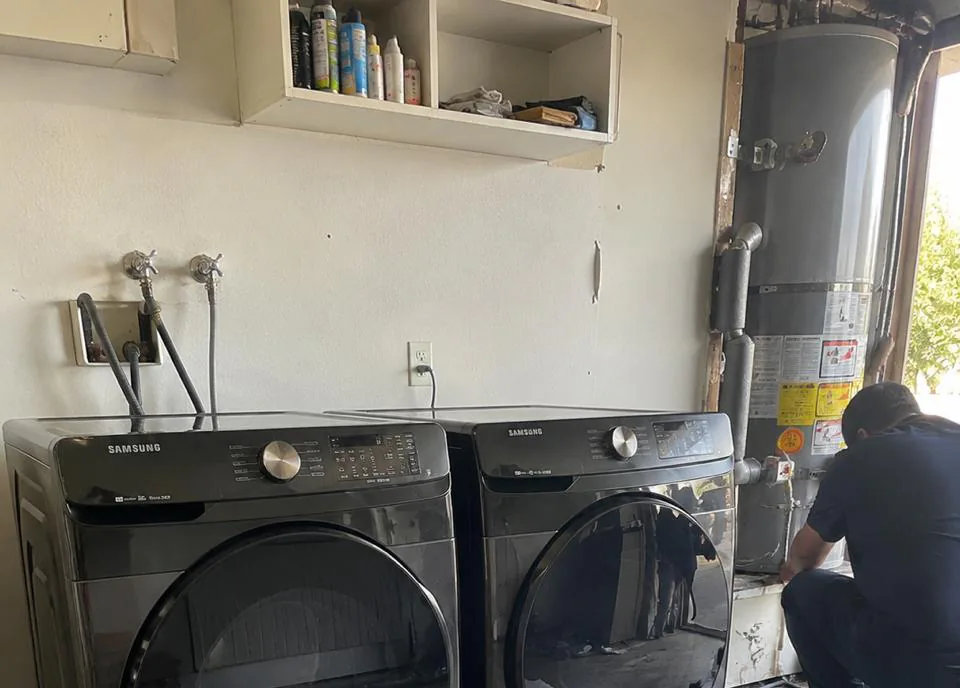
Detached single-family homes dominate the housing stock here, with a healthy mix of condos and townhomes, and the bulk of it falls squarely in the repair sweet spot rather than the warranty-referral category. Worth noting too: Lake Forest sits well inland, away from the corrosive coastal salt air that eats condenser coils in the beach cities just a few miles west. What it trades for that is genuine summer heat rolling off the foothills and the same hard, mineral-heavy imported water that defines most of Southern California. That combination, hot garages and scale-laden supply lines, is the quiet culprit behind a large share of the calls I run in this city: refrigerators with overworked compressors, dishwashers crusted with mineral buildup, washers with scaled inlet valves, and ice makers fighting a losing battle in a 95-degree August garage.